The newspapers talk about everything except the daily. The papers bore me, they never tell me anything new. What’s really going on, what we’re experiencing, the rest, all the rest, where is it? How should we take account of, question, describe what happens every day and recurs every day: the banal, the quotidian, the obvious, the common, the ordinary, the infra-ordinary, the background noise, the habitual? Perhaps we need to look at things from a new angle and establish our own anthropology that will speak about us and draw from our own experiences, instead of continuously pillaging those of others. Not the exotic, but the endotic.
Georges Perec
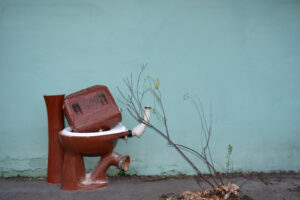
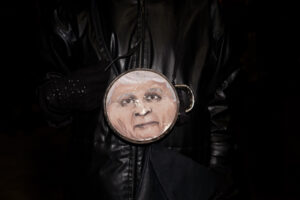
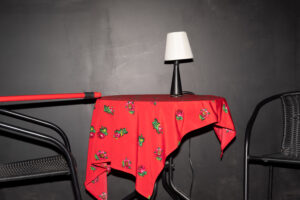
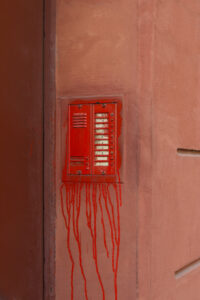
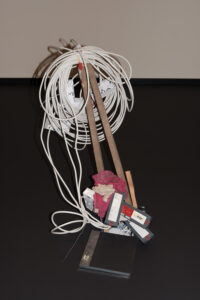
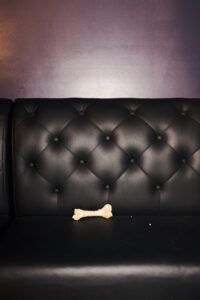
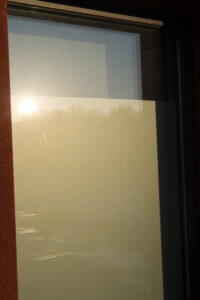
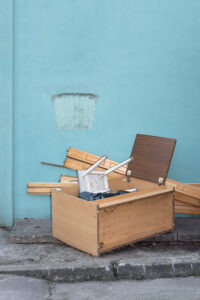
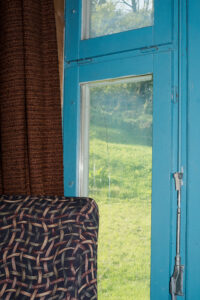
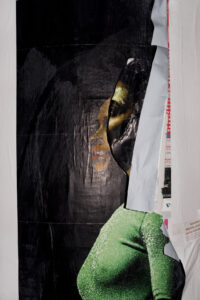
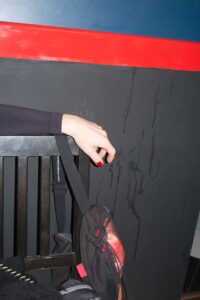
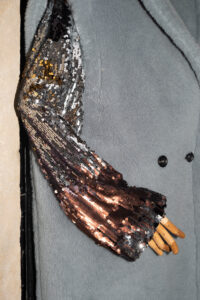
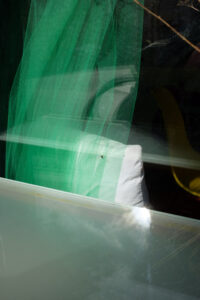
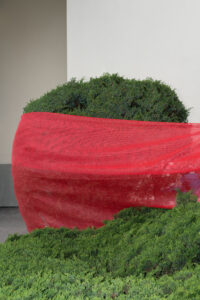
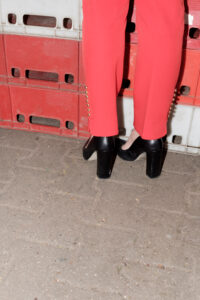
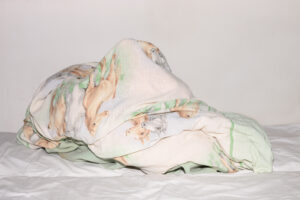
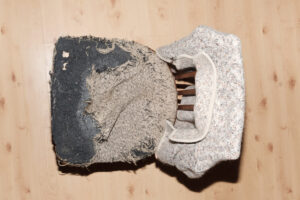
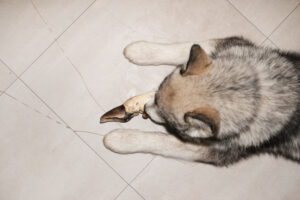
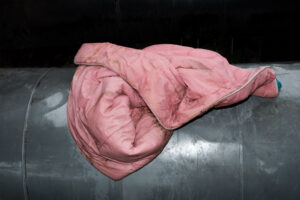
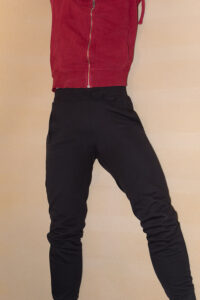
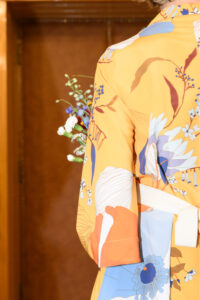
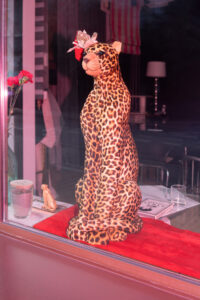
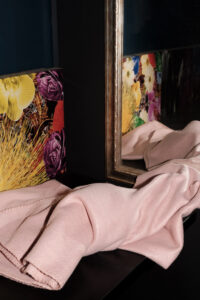
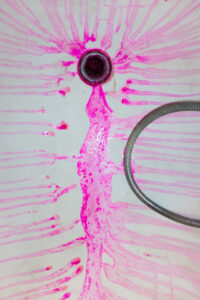
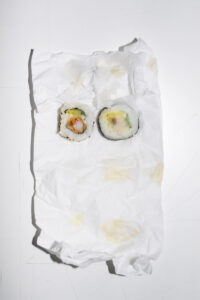
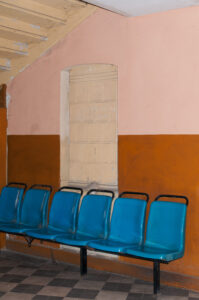
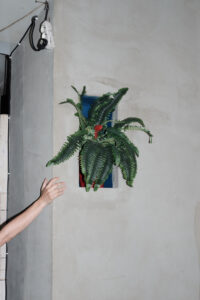
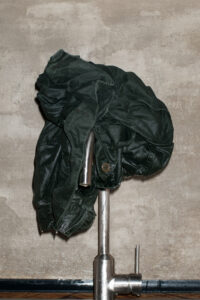
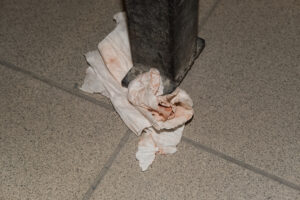
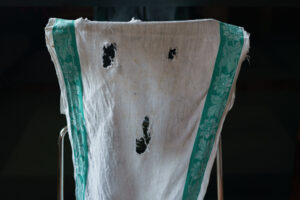
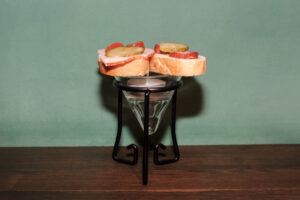
„Infraordinaire” focuses on what usually remains outside the field of vision—not because it is hidden, but because it is too obvious. The point of departure is everyday life understood not as a subject, but as a structure of experience: repetitive, seemingly banal, deprived of eventfulness. What interests me is not what is exceptional, but what persists in the background; not what is spectacular, but what is insistently present. The images depict fragments of reality stripped of narrative context: objects that have lost their unequivocal function. These objects are not protagonists in themselves; they operate as carriers of relations between the human subject and the space in which one attempts to dwell temporarily. The photographs do not document events, but register infra-ordinary situations: minor displacements, micro-rhythms, traces of use, signs of accumulated presence. The absence of the human figure is visible, yet it is a paradoxical absence—strongly felt through what has been left behind. Each image bears traces of a gesture: placing, covering, securing, identifying.
These are minimal gestures, often improvised, devoid of aesthetic intention, yet saturated with existential significance. The image does not serve an informational or illustrative function. It does not explain the situation. Rather, it functions as a tool of attentive suspension—a попыт to articulate what usually eludes description because it appears too obvious to require language. Photography operates here as a medium of deceleration, drawing out the materiality and temporality of things that, in everyday experience, remain transparent. The project proposes a conscious shift of perspective: from exotica to endotica, from narratives about “others” to a reflection on one’s own experience of being in the world. Urban space and everyday objects are not treated as a backdrop for dramatic stories, but as active participants in relations through which the fragility of human strategies of protection, survival, and identification becomes apparent. Photography thus becomes a form of personal anthropology—not in an autobiographical sense, but a cognitive one—as a method of examining what is shared, repetitive, and rendered invisible by excess of presence.